Table of Contents
Our recommended shortlist
| Tool | Best for | Score | Price | |
|---|---|---|---|---|
| NordVPNnordvpn.com | Users wanting a polished multi-device VPN with broad server coverage and additional security features. | 4.9/5 | Promotional pricing varies by term | Visit site ↗ |
| Surfsharksurfshark.com | Households and power users who want to protect many devices under one subscription. | 4.8/5 | Promotional pricing varies by term | Visit site ↗ |
| ExpressVPNexpressvpn.com | Travelers and households that want simple apps, broad platform support, and minimal configuration. | 4.7/5 | Subscription pricing varies by term | Visit site ↗ |
How this shortlist was built: We compared official features, pricing structures, policies, workflow fit, and important limitations. Placement is editorial and is not changed by affiliate relationships.
Our selection criteria
For VPN & Online Privacy, we weighted usability, useful feature depth, value, reliability, privacy, and support. We looked for products that solve a clear problem for a defined audience rather than rewarding the longest specification sheet. Current finalists are NordVPN, Surfshark, ExpressVPN.
A ranking is a starting point, not a substitute for your own requirements. The first step is to document the workflow, users, budget, data sensitivity, integrations, and exit requirements. Then compare only the plans that meet those conditions.
How to read the scores
The score is a five-star editorial assessment. Small differences should not outweigh a strong use-case match. A 4.4 product that fits your existing tools and operating model can be a better purchase than a 4.7 product that requires costly migration or unused features.
1. NordVPN: Users wanting a polished multi-device VPN with broad server coverage and additional security features.
NordVPN focuses on encrypted browsing, travel, streaming access, threat filtering, multiple devices, and privacy controls. Its most persuasive strengths are polished apps across major platforms; broad server network and modern protocol options; independent assurance information and extra security tools are easy to find.
Trade-offs
- Best advertised price generally requires a longer commitment
- Renewal cost can differ from introductory pricing
- Bundled tiers may include features you do not need
Pricing context: Promotional pricing varies by term. Surfshark is appealing for many devices; ExpressVPN emphasizes a straightforward premium experience.
2. Surfshark: Households and power users who want to protect many devices under one subscription.
Surfshark focuses on unlimited devices, encrypted browsing, travel, streaming, identity tools, and privacy controls. Its most persuasive strengths are unlimited simultaneous device connections; competitive long-term promotional pricing; consistent apps with a broad feature set.
Trade-offs
- Month-to-month pricing is much higher than long-term offers
- Product bundles can make plan comparison less obvious
- Performance varies by server, location, and network conditions
Pricing context: Promotional pricing varies by term. NordVPN is a strong all-rounder; ExpressVPN is simpler for users who value minimal configuration.
3. ExpressVPN: Travelers and households that want simple apps, broad platform support, and minimal configuration.
ExpressVPN focuses on simple secure connections, travel, streaming, routers, and broad device compatibility. Its most persuasive strengths are simple applications and clear connection workflow; good platform and router coverage; strong emphasis on privacy architecture and public documentation.
Trade-offs
- Typically priced above budget-focused competitors
- Connection allowance and bundles should be compared carefully
- Real-world speed varies with route, server, and local network
Pricing context: Subscription pricing varies by term. Surfshark offers more device flexibility; NordVPN balances features, performance, and pricing.
How to choose the right plan
Ignore the maximum feature list and map each required capability to the lowest eligible plan. Compare the twelve-month cost at your real number of users, devices, contacts, projects, or storage. Record renewal conditions and the cost of any required add-on.
Pricing traps to avoid
A headline monthly price may assume annual or multi-year payment, a first-term promotion, a limited number of users, or a narrow usage allowance. Build a small worksheet with the first payment, renewal payment, taxes, required add-ons, and the price at your expected scale. Treat a free plan as a useful evaluation environment, not proof that the production workflow will remain free.
Also compare the cost of doing nothing or keeping the current system. Migration, training, and administration are real costs, but so are repeated manual work, missed handoffs, weak recovery, and fragmented subscriptions. The strongest value case connects the product to a measurable operational improvement.
Privacy, security, and support comparison
Review account roles, authentication options, encryption statements, retention, data export, recovery, subprocessors, and incident communication for the exact plan you are considering. Security language on a marketing page is not a substitute for plan-specific documentation. If sensitive or regulated data is involved, obtain the appropriate legal, security, or compliance review.
Support should be tested before purchase. Confirm available channels and hours, then submit one realistic question. A quick but generic answer is less useful than a response that cites the correct plan, policy, or troubleshooting step.
Migration and exit planning
List what must move into the new tool, who owns the migration, how success will be checked, and how the old system will be archived. Then test export and account closure during the trial. A product is safer to adopt when the exit route is understood before important data and workflows accumulate.
Three decision scenarios
- A solo user should prioritize low administration, a useful free or entry plan, and simple export.
- A growing team should prioritize roles, handoffs, reporting, integrations, and predictable per-seat cost.
- A risk-sensitive organization should prioritize identity controls, documentation, retention, auditability, and a clear support escalation path.
Questions to ask before buying
- Does the plan cover the exact workflow and scale you expect?
- Can you export your content, settings, and reports in a usable format?
- Which security, privacy, and support controls are included in this tier?
- What changes after the introductory term or when usage grows?
- Can two or three real users complete a representative task during the trial?
Final recommendation
Start with the top-ranked product only if its best-for statement matches your situation. Otherwise select the specialist that minimizes migration, recurring administration, and feature waste. Re-check official pricing and terms immediately before purchase.
Why each tool made the list

NordVPN
Polished apps across major platforms Broad server network and modern protocol options Independent assurance information and extra security tools are easy to find Key limitations: Best advertised price generally requires a longer commitment Renewal cost can differ from introductory pricing Bundled tiers may include features you do not need
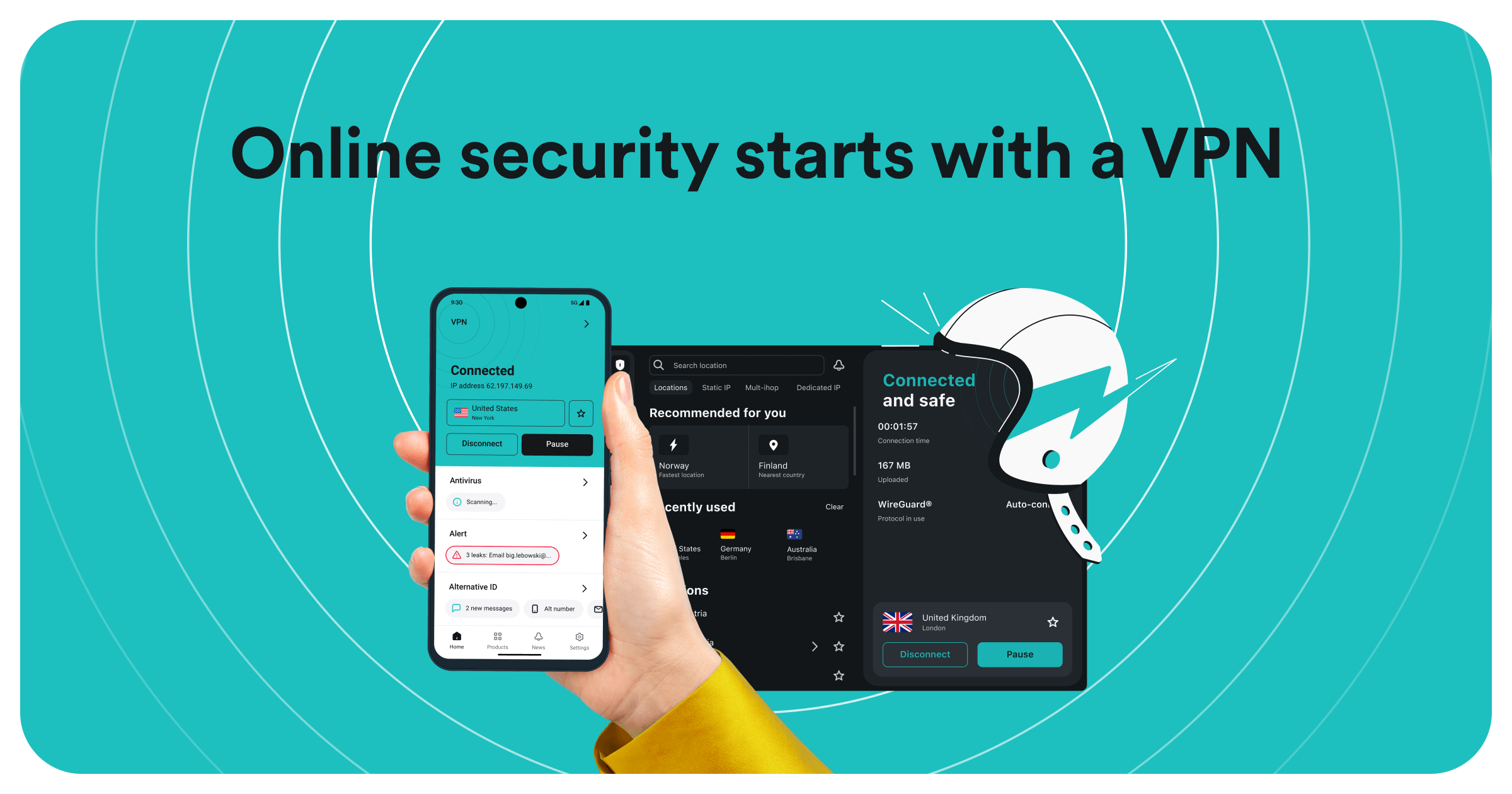
Surfshark
Unlimited simultaneous device connections Competitive long-term promotional pricing Consistent apps with a broad feature set Key limitations: Month-to-month pricing is much higher than long-term offers Product bundles can make plan comparison less obvious Performance varies by server, location, and network conditions
ExpressVPN
Simple applications and clear connection workflow Good platform and router coverage Strong emphasis on privacy architecture and public documentation Key limitations: Typically priced above budget-focused competitors Connection allowance and bundles should be compared carefully Real-world speed varies with route, server, and local network
Official references
Documentation, pricing pages, and policies used in this guide.